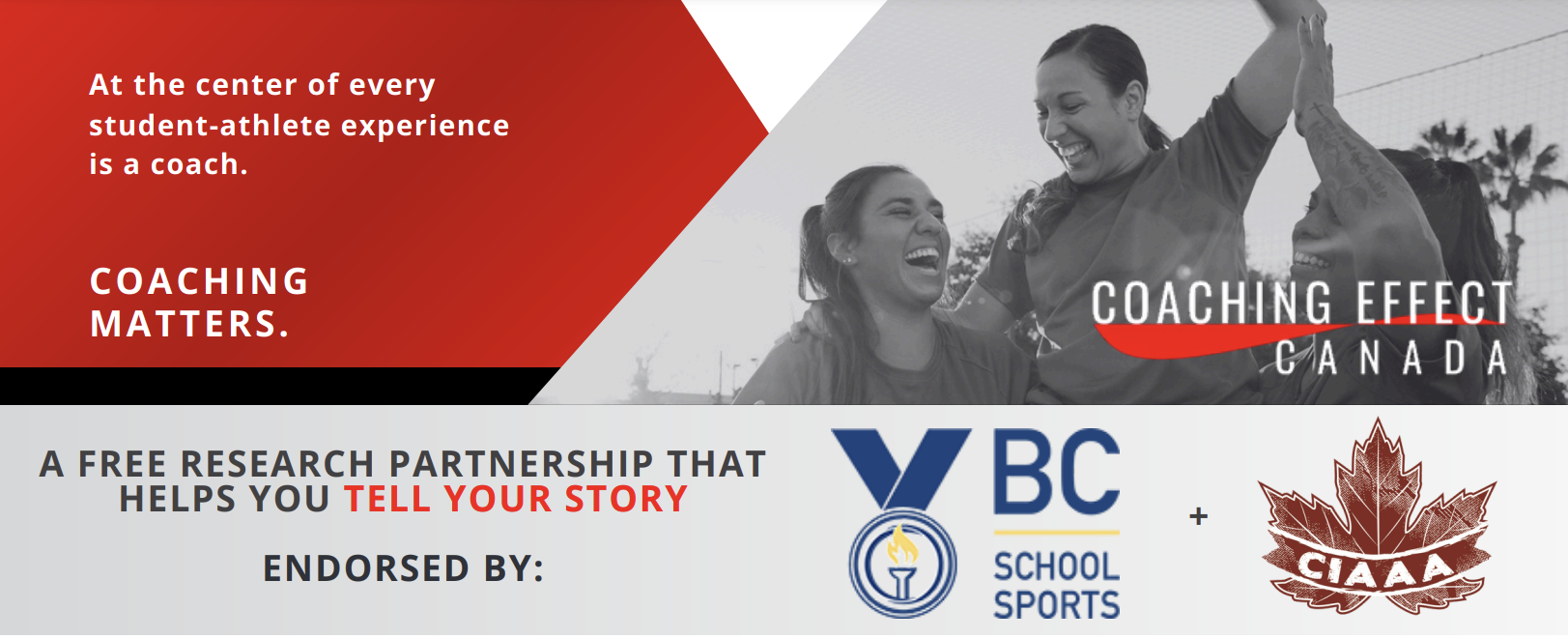
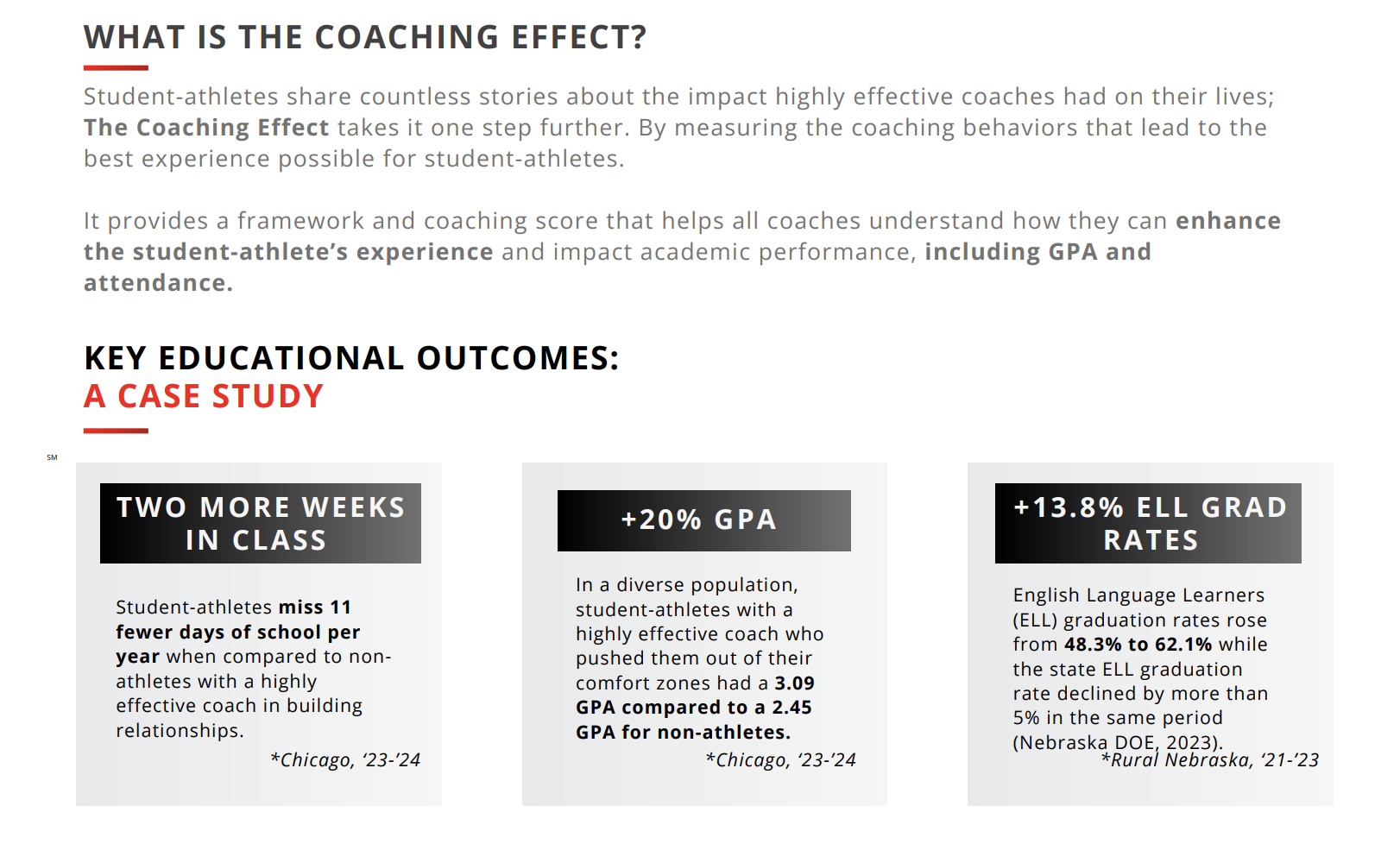
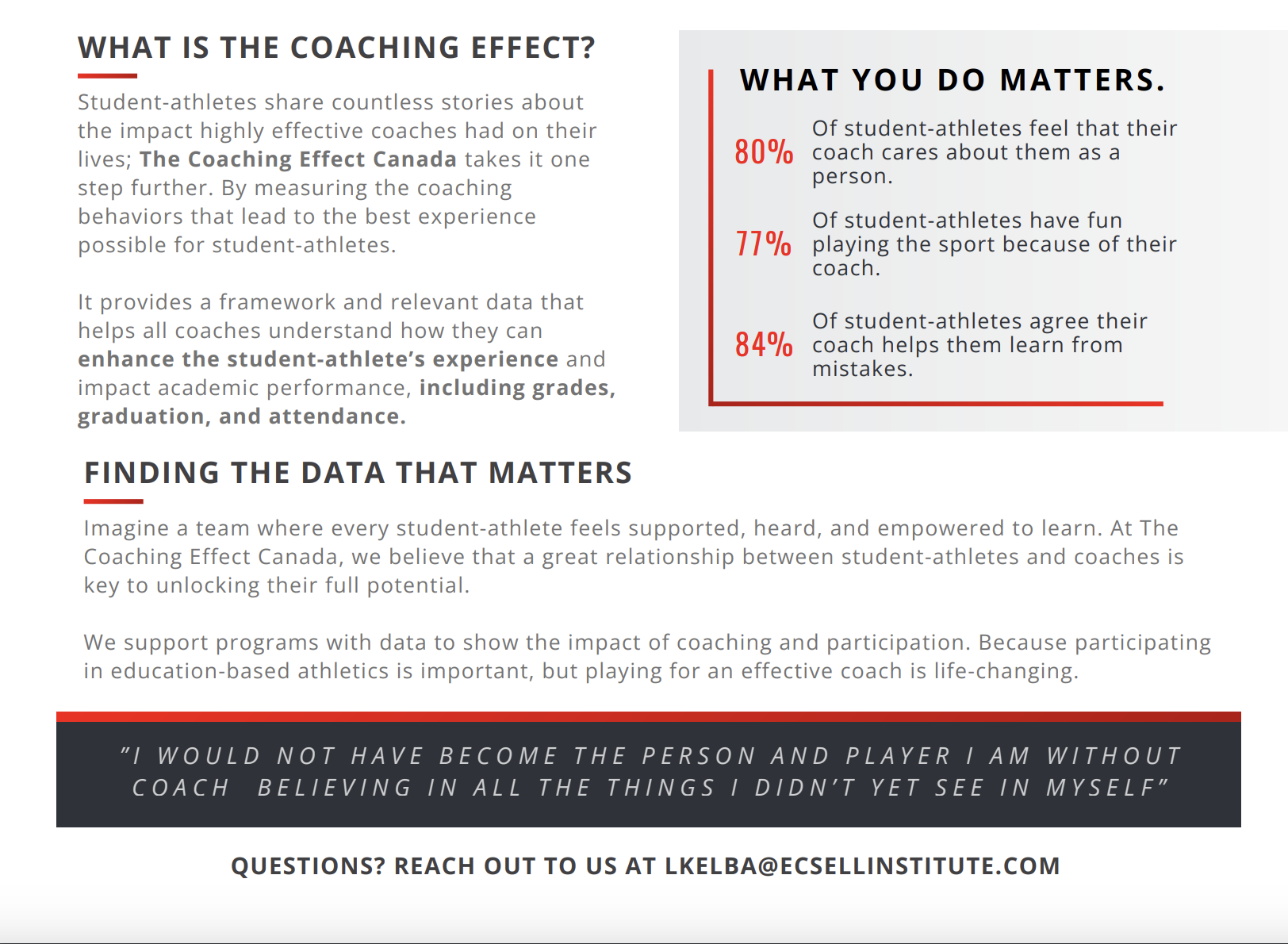
Coaching Effect Canada – Learn More!


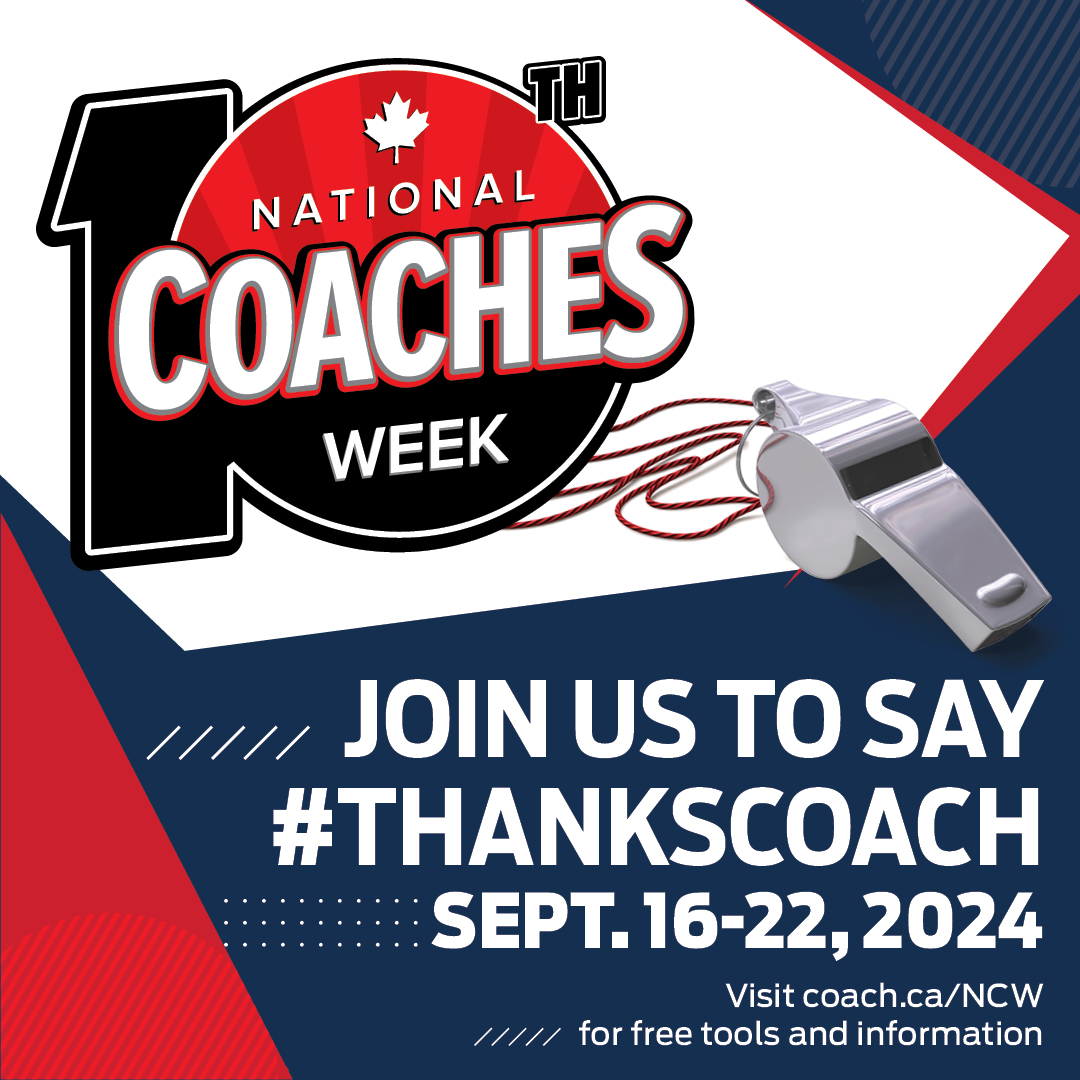
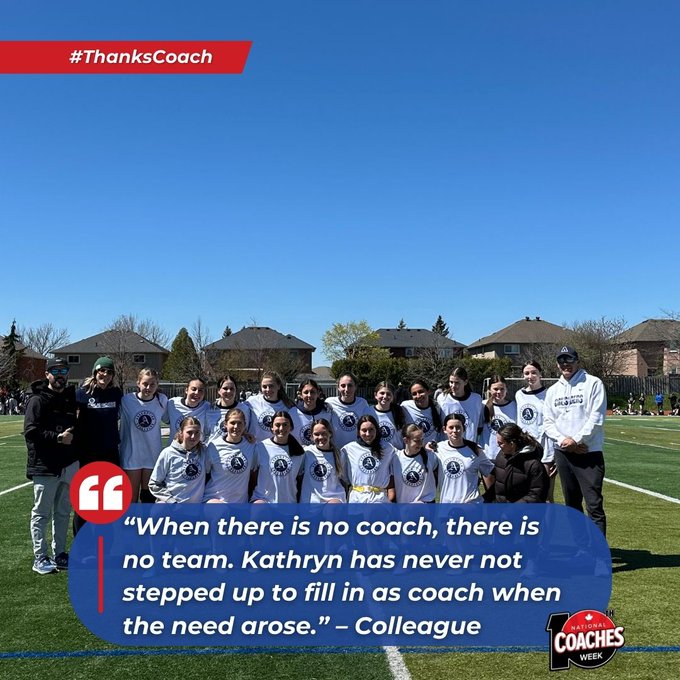
Congrats @AssumptionHCDSB Kathryn Carlone who’s supported students & athletes for 25+ yrs! Kathryn coaches flag football, ultimate, rugby, basketball, hockey, soccer & more. “When there is no coach, there is no team; it’s as simple as that.” #ThanksCoach for stepping up! @OFSAA

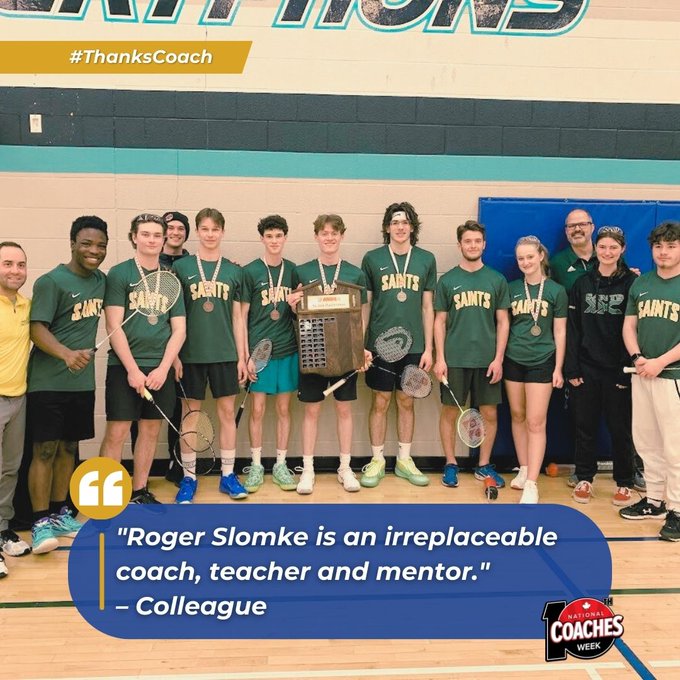
Congrats @rslomke, a cornerstone of @TBCDSBStPatrick and with @tbmha, whose dedication & passion for coaching and teaching have made a lasting impact for over 30 yrs! Roger wears many hats and it always a beacon of positivity, optimism, and selflessness. #NCW2024 @OFSAA

For 18 years, the Ontario Coaching Excellence Awards program celebrates the dedication and commitment of exemplary individuals who inspire, innovate and share knowledge of sport with others.
The Awards recognize the importance of leadership, performance and the value of human insight which are all integral to great coaching. Coaches were recognized across Ontario at the 2024 Ontario Coaching Excellence Awards celebration on September 14.
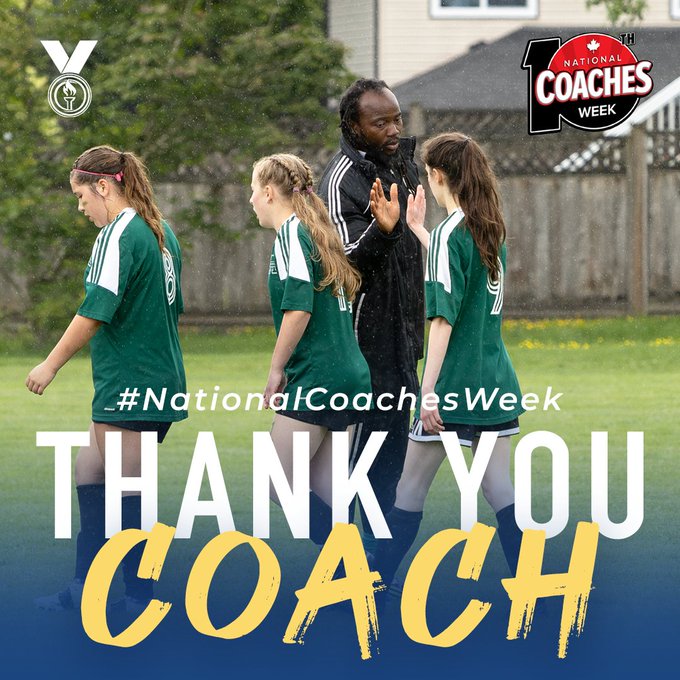
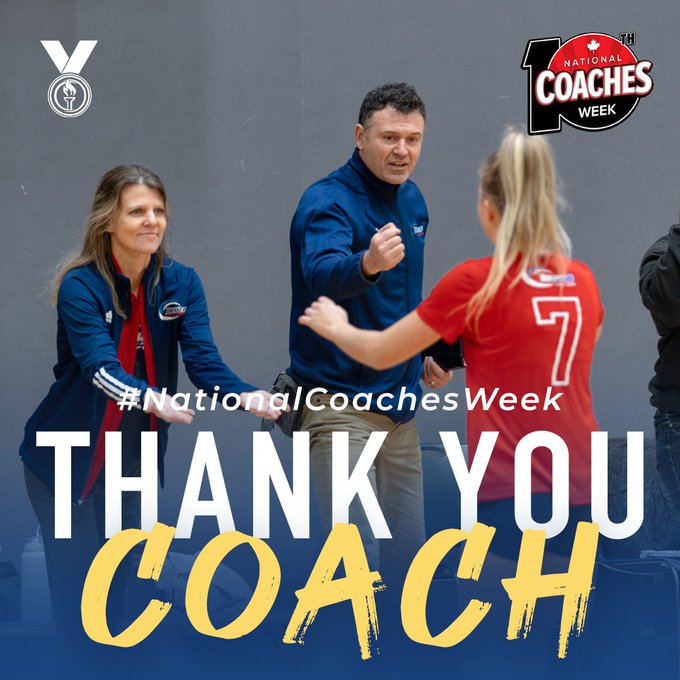
The event marked the start of the special 10th annual National Coaches Week, a celebration of the tremendous positive impact coaches have on this nation’s athletes and communities. The week is an opportunity to recognize coaches for the integral role they play by simply saying #ThanksCoach.
To celebrate National Coaches Week (September 16-22), representatives from OFSAA, the Coaches Association of Ontario (CAO), Ministry of Sport and Hydro One were on hand to present the province’s most prestigious coaching honour, an Ontario Coaching Excellence Award.
The OFSAA School Sport Coach Award winners were selected by OFSAA based on their unique contribution to sport through continuous development. The Award does not reflect the accomplishments of a teacher-coach in any one year, but the contributions over a period of years.
The 2024 male recipient of the “Coaching Excellence Award” in the School Sport Category is Roger Slomke of St. Patrick High School in Thunder Bay, ON. (NWOSSAA)
The 2024 female recipient of the “Coaching Excellence Award” in the School Sport Category is Kathryn Carlone of Assumption Catholic Secondary School in Burlington, ON. (GHAC)
Whether it is winning OFSAA championships or a student improving their grades, Roger and Kathryn are advocates for sport as more than just a team, but as a family.
“We are excited to honour coach Roger and Kathryn for their steadfast commitment and support in developing athletes both on and off the field. The bonds formed through sports play a crucial role in strengthening our communities, and coaches like Roger and Kathryn are instrumental in creating those safe, enjoyable, and nurturing environments for youth to thrive,” said Jeremy Cross, Executive Director of CAO.

National #CoachesWeek is when we recognize the various coaches in our province – regardless of level – for their immeasurable positive impact in our communities. We want to thank all NBIAA coaches for their commitment to their athletes and their schools. Follow the link below to check out events and free courses for you to take in week thanks to our partners at Sport NB Coach/Entraîneur.
La Semaine nationale des entraîneurs (SNE) est l’occasion de reconnaître tous les entraîneurs de notre province – quel que soit leur niveau – pour l’impact positif immesurable qu’ils ont sur nos communautés. Nous voulons remercier tous les entraîneurs de l’ASINB pour leur engagement envers leurs athlètes et leurs écoles. Suivez le lien ci-dessous pour découvrir les événements et les cours gratuits que vous pouvez suivre cette semaine grâce à nos partenaires Sport NB Coach/Entraîneur.

Let’s all take a moment this week to celebrate our coaches. Coaches are integral to the success of a team and can be an inspiration to so many. Let’s make sure they know they’re appreciated. Say #ThanksCoach!
#SchoolSportsNL#NationalCoachesWeek

National #CoachesWeek celebrates the positive impact coaches have on athletes, participants, and communities across Canada. This week is an opportunity to recognize coaches for the integral role they play by saying #ThanksCoach.
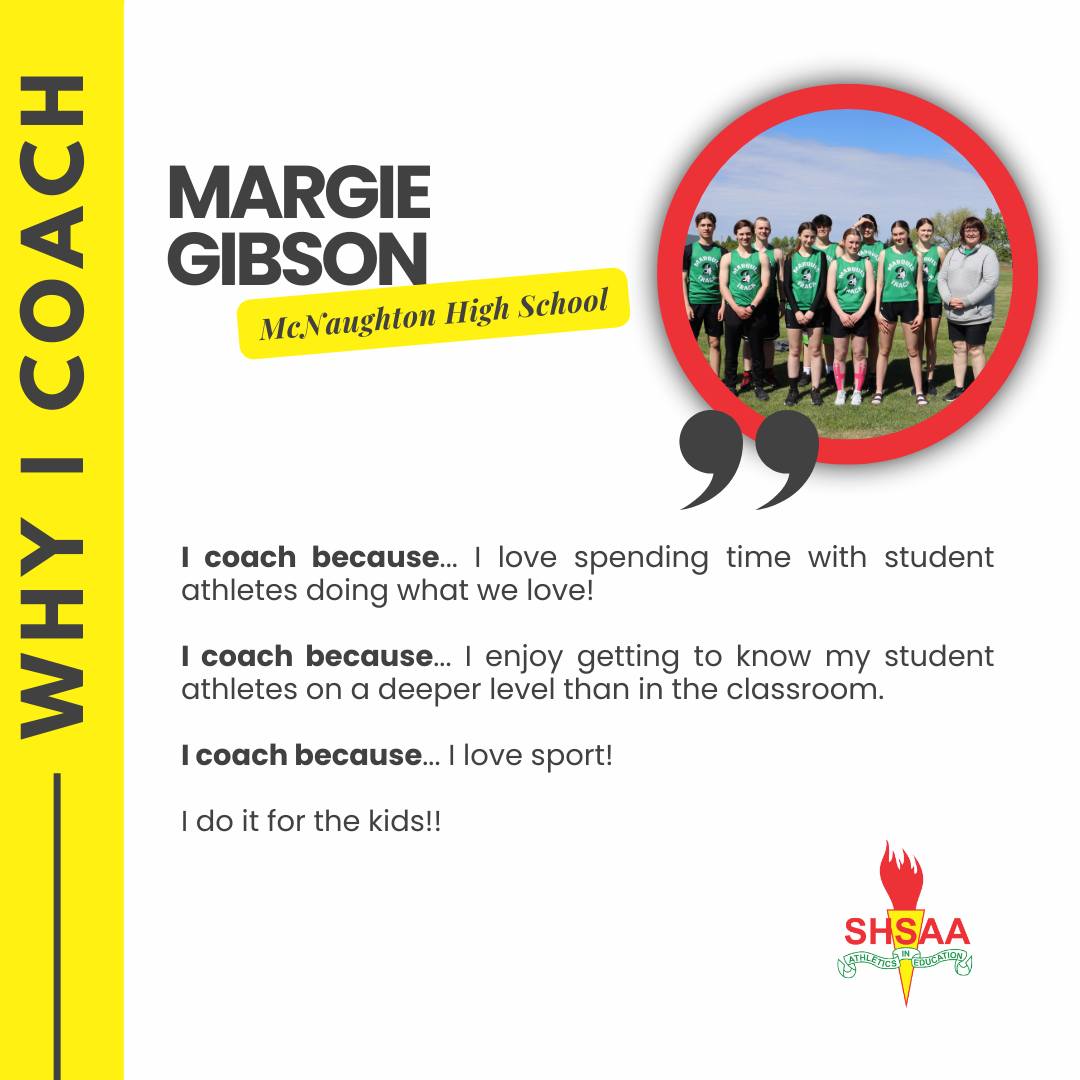
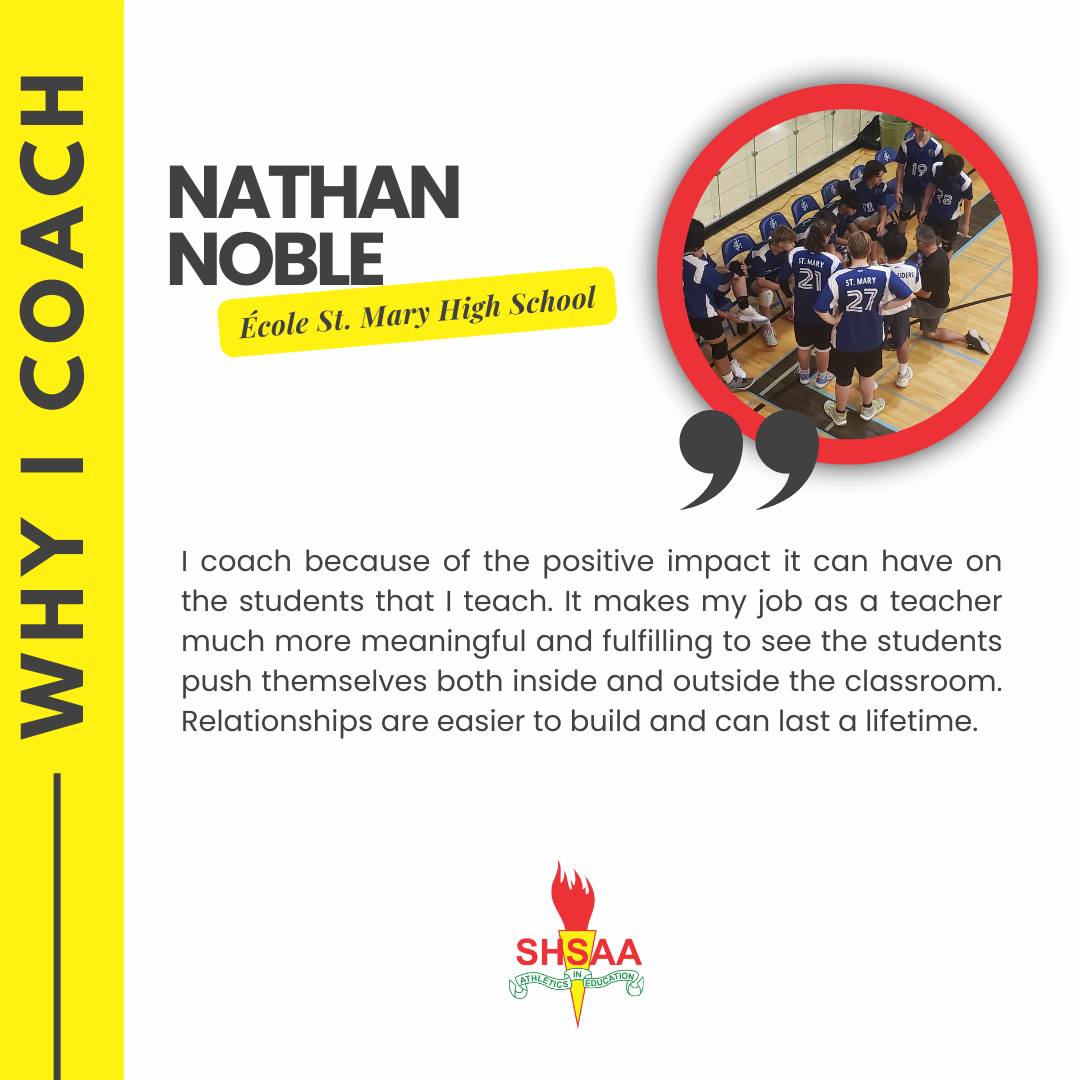

This week marks the 10th Annual #NationalCoachesWeek, and we want to acknowledge the hard work and dedication of coaches across BC who invest in student-athletes. Thank you for your never-ending passion for school sports! #ThanksCoach #CoachesWeek


Our 2025 National Athletic Directors Conference will be held at the Hotel Arts in Calgary, Alberta on April 10-12, 2025! Save the date on your calendar and start looking at funding opportunities. More information and conference registration will be posted in the Fall. The Conference is our BEST event of the year and you don’t want to miss it.


OFSAA is pleased to announce a new partnership with SMART GOLF Software.
We are excited that the software will provide live scoring at the upcoming OFSAA boys and girls golf events taking place October 16 and 17. The software will also be offered at local and association level tournaments and SMART Golf will work with our convenors on printable scorecards, live scoring links, shareable leaderboard, TV display, divisions and tee sheet management.
The software is used by NCAA program in the United States and the new agreement offers full access to this program to all high schools in Ontario.
“We’re thrilled to announce that SMART Golf Software will be the official scoring provider for OFSAA for the 2024-2025 season”, said Rob Sunstrum, CEO of Smart Golf. “After proudly serving as the unofficial provider for the past two years, we’re excited to take this collaboration to the next level. With this partnership, we will provide live tournament scoring for all high school golf competitions across Ontario.”
Here is an example of one of the events: https://smartgolf.
Please contact Rob Sunstrum at rob@smartgolfsoftware.com to learn more about what SMART Golf can offer at your next golf tournament.


Alberta Grains Announced as the Presenting Partner for ASAA Volleyball
The Alberta Schools’ Athletic Association is the governing body that oversees amateur athletics in high schools for the province of Alberta. It is a voluntary, non profit organization that has 400 member high schools. Today it announced that it has signed a multi-year Partnership with Alberta Grains to be the presenting partner for ASAA volleyball.
“This partnership is a great initiative for our association; Alberta is famous for its high quality grains which are used for a wide variety of essential food products around the world” said Brad Van Raalte, Acting Executive Director for the ASAA. “This partnership allows us to continue to get messaging out to student-athletes that a healthy diet is an essential part of the preparation a volleyball player needs to perform at his/her highest level.
Alberta Grains is thrilled to be the presenting partner of ASAA volleyball. We believe that by emphasizing the importance of nutrition, we can empower student- athletes to reach their full potential. As a cornerstone of a balanced diet, our grains play a crucial role in fueling their journey to excellence, and we are excited to support them every step of the way.
ABOUT ASAA
The ASAA is a voluntary, non-profit organization that was established in 1956 to coordinate a program of
worthwhile athletic activities for the young people of Alberta in an educational setting. The ASAA now
oversees the coordination of provincial championship events in 11 sports for Alberta’s high school student athletes. Involving over 55,000 student athletes and 10,000 volunteer coaches across 400 high schools, the ASAA believes in creating tomorrow’s leaders through high school athletics.
ABOUT ALBERTA GRAINS
Alberta Grains is a not-for-profit, farmer-directed organization that represents the interests of and serves as the single voice for all of Alberta’s wheat and barley producers. The organization works collaboratively within all levels of agriculture to achieve tangible results that benefit Alberta’s grain growers. With a mission to drive profitability for Alberta’s wheat and barley farmers, Alberta Grains is committed to advancing and promoting the interests of 18,000+ wheat and barley farmers in the province. We foster innovation, research, communications, policy advocacy, market development and sustainability in the agriculture sector. Alberta Grains serves as a leader in the Canadian agriculture industry.


Alberta Beef Producers Announced as Partner of the Alberta Schools’ Athletic Association.
For more information, please go to the ASAA website ( in bio)
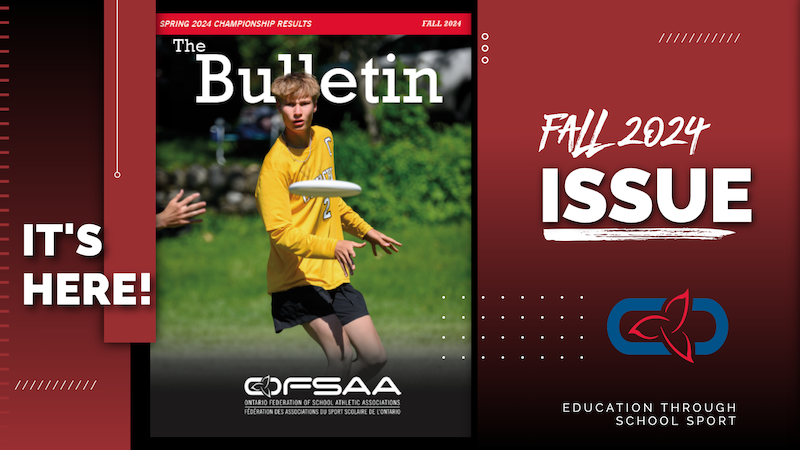
The 2023-24 school year finished with a flourish in May and June!
We saw many repeat OFSAA champions in our team events and also with the exceptional track & field competitors in June. Not to be lost in the excitement was the emergence of the outstanding young class of novice and junior medalists on the provincial landscape this past school year.
Read about their exploits in the pages of the Fall Issue of the Bulletin Magazine and learn about the accomplishments of the deserving recipients of our various annual scholarships and awards.
We know that your are focussed on our 2024-25 championships and festivals as the weather turns to fall. Be sure to find all of the event details in our 2024-25 OFSAA Calendar in the centre spread of this issue.
Best of luck to all coaches and student-athletes in punching your ticket towards excellence this year!
Just click here.
Click here to view the 2024 SHSAA Fall semi-annual newsletter.

Click here to view the 2024 BC School Sports September newsletter


Le RSEQ (Réseau du sport étudiant du Québec) est fier d’annoncer la nomination de Marie-Claude Lamontagne au poste de responsable du secteur scolaire.
Durant ses trois années comme responsable des sports dans des cégeps et son rôle de coordonnatrice au RSEQ provincial collégial depuis 2017, Marie-Claude a su allier passion et professionnalisme. Depuis 2014, elle est également formatrice pour Égale Action, où elle a activement contribué à la promotion de l’égalité et de l’inclusion dans le sport.Dans son nouveau rôle au secteur scolaire, Marie-Claude continuera à développer et améliorer l’offre sportive pour les élèves, en s’appuyant sur son riche parcours et sa vision stratégique.
Le RSEQ est convaincu que son leadership et son dévouement feront progresser le secteur scolaire vers de nouveaux sommets.
Le RSEQ est heureux d’annoncer également la nomination d’Alexandre Lizotte au poste de coordonnateur au secteur collégial (Sud-Ouest).
Depuis son arrivée au RSEQ en 2023 en tant que coordonnateur au secteur collégial et universitaire, Alexandre a fait preuve d’une remarquable expertise en administration sportive et d’une profonde compréhension des besoins des athlètes et des institutions. Sa vaste expérience sur les terrains sportifs et son engagement passionné pour le développement des sports font d’Alexandre un atout précieux pour le réseau.
Le RSEQ est confiant qu’Alexandre amènera une dynamique intéressante à la conférence Sud-Ouest. Son dévouement et son expertise favoriseront la poursuite des objectifs ambitieux du RSEQ en matière d’organisation, de promotion et de rayonnement des sports.
The RSEQ (Réseau du sport étudiant du Québec) is proud to announce the appointment of Marie-Claude Lamontagne to the position of head of the school sector.
During her three years as head of sports in CEGEPs and her role as coordinator at the provincial college RSEQ since 2017, Marie-Claude has combined passion and professionalism. Since 2014, she has also been a trainer for Égale Action, where she has actively contributed to the promotion of equality and inclusion in sport. In her new role in the school sector, Marie-Claude will continue to develop and improve the sports offering for students, drawing on her rich background and strategic vision.
The RSEQ is convinced that her leadership and dedication will advance the school sector to new heights.
The RSEQ is also pleased to announce the appointment of Alexandre Lizotte as College Sector Coordinator (Southwest).
Since joining the RSEQ in 2023 as College and University Sector Coordinator, Alexandre has demonstrated remarkable expertise in sports administration and a deep understanding of the needs of athletes and institutions. His extensive experience on the sports field and his passionate commitment to sports development make Alexandre a valuable asset to the network.
The RSEQ is confident that Alexandre will bring an interesting dynamic to the Southwest conference. His dedication and expertise will help the RSEQ pursue its ambitious goals in terms of organizing, promoting and expanding sports.
BC School Sports Celebrates Record High Participation in School Sports Burnaby, BC – BC School Sports (BCSS) is thrilled to announce that the 2023-2024 academic year has marked another milestone in school sports participation, with student-athlete registrations reaching an all-time high. Our member schools have wholeheartedly embraced the value of quality athletic programs, witnessing firsthand the positive impact on their communities and students. This year, BCSS member schools have proudly fielded an impressive 7,742 teams across the 18 sports we offer, showcasing the vibrant and growing
spirit of school-based athletics.
The 2023-2024 academic year witnessed a remarkable 123,313 student-athlete registrations, marking an 8.2% increase from last year’s record-breaking numbers. This impressive growth represents a 19% rise in participation over the past decade and a 12% surge since the COVID-19 pandemic. In tangible terms, this means 23,819 more students are participating in school based athletics
compared to ten years ago, with an additional 14,700 athletes joining since schools returned to normal operations post-pandemic.
Sport-Specific Growth:
BCSS Executive Director, Jordan Abney, expressed his enthusiastic praise for schools and coaches, stating, “Our 460+ member schools are doing an outstanding job of offering diverse and inclusive opportunities for youth to experience the transformative power of school-based athletics. This is
especially commendable given the limited resources available within the system. It is crucial that we continue to elevate the status of school sports within our communities and ensure that the necessary support is provided to sustain these invaluable experiences for generations to come.”
As BCSS gears up for the new school year, the organization is dedicated to expanding opportunities for students to participate in school sports, highlighting the crucial role these activities play in fostering mental and physical well-being. The positive impact of school sports on young lives is undeniable. BC School Sports invites everyone to rally behind their local school teams and join this inspiring journey of athletic growth and excellence. Your support can make a lasting difference in the lives of student-athletes and the broader community.
About BC School Sports:
BC School Sports is a voluntary organization of over 460 public and independent schools in British Columbia. It is the governing body for school sport and coordinates and delivers opportunities with our member schools for interschool competitions in over 18 activities to over 123,000 student-athletes each year. BCSS delivers 61 provincial championships annually, with thousands of student-athletes competing at the highest levels of interscholastic competition.
By Lindsay Reynen
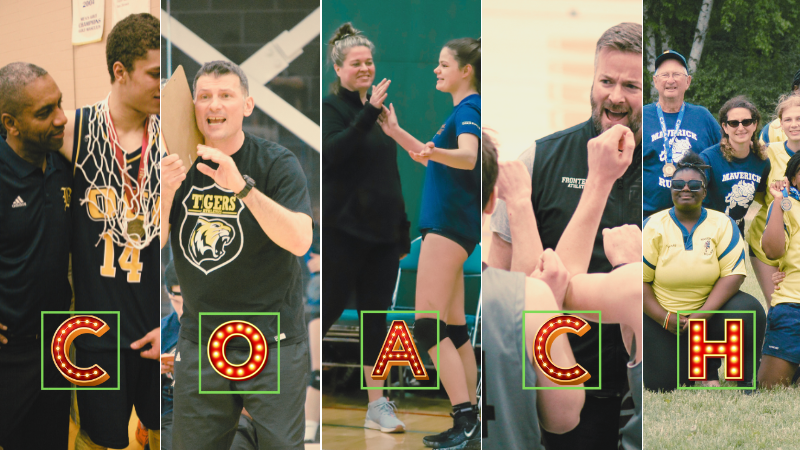
Have you been asked to coach a sport that you don’t know much about? Maybe you are hesitant to get involved because you aren’t an expert in the sport you are being asked to coach. If the main goal as athletic educators is to increase participation and get more students involved in sports, we need to be able to offer a variety of individual and team experiences – but in order to do this, we may need to step out of our comfort zones and take a risk. Read on for some tips on how to create a positive learning experience for your athletes as well as yourself as you coach a sport you’ve never played.
Be confident
Open and honest communication with your team is important. You should be upfront with your players. Tell them that you are new to the sport and you are excited to take on a challenge. Does the team need to know you’ve never done a particular drill, or you don’t know the best strategy to use in every situation? Absolutely not. Do your research and then have confidence in your decisions. You will earn more respect from your athletes if you are purposeful and confident in your actions than if you constantly second-guess yourself. For example, let’s say you want to work on blocking in volleyball. If you ask experienced volleyball coaches what the best drill is for learning blocking technique, they will all give you slightly different tips and ideas. There is no one right way. Have confidence in picking the drill you think will work best and present it to your team.
Get online
You can find warm-ups, skill breakdowns, drills, strategies and more online. There is almost too much information – it can be overwhelming. Guidebooks can be helpful but looking at x’s and o’s on a page can be confusing. So, what’s the best approach? You can try watching YouTube videos. Watching athletes move across the playing area while listening to the coach’s directions will show you exactly how to implement the drill. Listening to the videos introduces you to the sport-specific lingo that goes with the sport. You’ll be able to tell your team to “shag” the volleyballs or complete a “fartlek” run. Slowly, as you watch the videos and plan your practices over the season, you will begin using this language without even thinking about it.
Browse the internet for practice schedules posted by other schools. It may not be exactly what you want to use but it will give you an idea of how to plan your season. When I first took on the cross-country team, I didn’t realize there were so many ways to practice running. After researching workouts online, I gained a better understanding of how to build a runner up using a variety of runs including hill repeats, tempos, long slow, interval, and race pace runs.
Find a mentor
Although you can find everything you need online, it can help to have an expert on hand to learn common training routines. This can be a retired teacher, graduated student, parent volunteer or a teacher from another school.
I was lucky enough to work with a retired teacher who came back to volunteer with the teams she used to coach. At the beginning of the season, she came to every practice and I observed and assisted. After practice, I recorded everything we did. The handover of the team was a smooth transition where I gradually took on more of a role until, I learned the routine. Once she felt I had a grasp of the training program, she came to practice only a few times a week. At first, the team members would always ask if the other coach was coming. It took some time for them to gain confidence in me. I had to prove to the team that I had the ability to lead them to success. Finding a mentor that can come to a practice here and there can be valuable to your development.
Keep in mind that it is important to find a mentor whose goal is to develop you as a coach. All too often, an expert coach will come in and take over the team. This will reduce the authority of the true coach. Choose your mentor carefully and make sure to communicate what you hope to accomplish together.
Rely on your leaders
Identity the players on your team that have participated in the sport before and have a good rapport with the team. Pump up your potential leaders and reward them with praise for leading the group through simple tasks such as warm-ups or tracking jersey numbers.
There are several benefits to encouraging leadership on your team: They will have your back in tense situations. They may say, “I think we’re out of rotation, maybe you should call a time out?” or “Jacob’s getting frustrated – he’s going to foul out soon!” Your leaders will also help take the load off you and allow you to concentrate on fewer tasks. Having a group of students set up the flags for the championship soccer game will give you the time to greet the opposing team and double check your line up.
Developing student leaders will help you raise team players that aren’t dependent on the coach. Your players will be able to think for themselves and use each other to problem solve. If a player is constantly looking to the coach for direction, they are not using critical thinking or teamwork skills to get through a situation. In this case, having a coach that doesn’t know everything about the game will make for stronger, more independent, confident players.
You’re the coaching pro
As teachers, we have all received years of formal education focusing on how to effectively manage children. You may feel intimidated taking on a team with experienced athletes but the chances are, the athletes don’t know as much as you think they do.
I was nervous about coming up with some effective basketball plays when I took on the senior boys’ basketball team. I thought the team would have a bunch of complicated plays they already used in previous years and they wouldn’t think mine were good. It turned out that they didn’t know a single play and were eager to learn. They completely soaked up everything I had to say. Students can tell when you are working hard and putting effort into the team and they respect you for that. You might not be able to do the skills you are having your athletes perform but you are the pro at teaching, encouraging, managing, organizing; you are a pro at coaching!
The next time you are offered the chance to coach a sport you’ve never played, consider taking on the role. Have trust in your ability to lead. Learn as you go. Not only will you gain confidence through tackling a new challenge, you will have given a group of young people an unforgettable experience.
Aug 16, 2024

Standing – Left to right: Nolan Kuhlberg, Iain Thomson, Ian McAllister
Seated – Left to right: Poppy Thomson, Chantal Abbott
(Not In Attendance – Lauren Alexander)
OFSAA and members of the Brian Maxwell Memorial Scholarship Fund were on hand for a special awards reception on Friday. Five of the six honourees and their families were on hand at the Emerald Hills Golf Club in Stouffville, Ontario.
These student-athletes, with a track and field or cross country pedigree in high school, will continue their post-secondary education at a Canadian college or university. The scholar-athletes display qualities of honesty, integrity, compassion and an unwavering quest to accomplish the best academically and athletically while supporting fellow team members. These were all qualities of Brian Maxwell. Each recipient will receive $5,000.
The scholarship fund is in memory of Brian Maxwell, a successful distance runner. Brian competed in track and field and cross country and achieved success as an OFSAA champion, and a Canadian junior, juvenile and senior champion. In 1980, he was selected to the Canadian Olympic team and later became a successful entrepreneur who, with his wife, Jennifer, co-founded the nutritional supplement PowerBar.
Brian was born with a defective heart valve and in 2004, at only 51 years of age, died of a heart attack.
OFSAA is proud to offer the Brian Maxwell Memorial Scholarship each year to support students continuing their education in Canada.
Congratulations and best of luck!
Meet our exceptional 2024 recipients:

Chantal Abbott
Chantal is heading to the University of Victoria to study Kinesiology and compete for the Vikings in cross country and track & field. She has an impressive athletic background, having competed in seven OFSAA championships in high school, with highlights including a fifth-place finish in the 3000m and an eighth place finish in the same event in Grade 10.
Chantal is an Ontario Scholar and received an entrance scholarship at UVic for her academic achievements.
In addition to her track and field and cross-country accomplishments, she was a member of her school’s Nordic ski team, where she won two OFSAA gold medals. She was also involved in her school’s soccer team and environmental club. Beyond school, Chantal has volunteered as a coach with the Collingwood Clippers Swim Club, where she also served as a swim instructor and head lifeguard. She is a competitive swimmer who enjoys hiking, camping, and cooking. Her coaches admire her discipline, perseverance, and leadership, noting how she inspires those around her with her passion for sports.

Lauren Alexander
Lauren Alexander is a remarkable student-athlete from Glebe Collegiate Institute in Ottawa. She has qualified for OFSAA track and field and cross-country events eight times, with notable achievements such as a 7th and 14th place finish individually and a silver and 6th place in cross-country over the past two years. In track, she placed 5th in the 800m and 7th in the 1500m as a Grade 10 student. Recently, she finished 16th in the U20 3000m at the Athletics Canada Championships in Montreal.
In addition to her track and field accomplishments, Lauren is a well-rounded athlete who has represented her school in hockey, touch football, and nordic skiing. Academically, she is an Ontario Scholar and will be attending Western University, where she plans to study Engineering and Medical Sciences.
Lauren’s contributions extend beyond athletics and academics. She has served as Co-President of the Glebe Student Council and has been involved in a program that integrates students with developmental delays into sports. Her community involvement includes volunteering at the Caldwell Family Centre, helping with the “Out of the Cold Supper” group, working at summer camps for the Royal City Soccer Club, and assisting with a group that sponsored a refugee family from the Democratic Republic of the Congo.
In her spare time, she enjoys baking and outdoor activities such as hiking, skiing, and biking.

Nolan Kuhlberg
A dedicated athlete, he’s a seven-time qualifier for OFSAA in cross country and track & field. His standout moment in cross country was helping his junior team win OFSAA gold in 2021, where he placed 28th individually. In Grades 11 and 12, his school team placed fourth each year, with Nolan finishing 56th and 83rd. On the track, he achieved 17th in the 1500m and 14th in the 800m this past June in London and also qualified for the 1500m in Grades 10 and 11.
Nolan’s leadership qualities are well-recognized, with his high school coach describing him as the undisputed leader of the cross-country team, not just through his performances but through his unwavering support for his teammates. He was also named MVP of his school’s hockey and badminton teams and earned both the LEP Male Athlete of the Year and the Colin Hood OFSAA School Sport Award. He’s known as a natural leader—honest, kind, and driven.
Beyond his school achievements, Nolan’s compassion shines in his community work, including assisting a neighbor through a challenging health situation. He’s an avid alpine skier who coaches U-8 and developmental programs at his local club, as well as coaching with his local track and field club, all while managing the demands of school and sports.
Nolan is set to attend Wilfrid Laurier University this fall, where he’ll be enrolled in the Biochemistry and Biotechnology program.

Ian McAllister
Ian McAllister is heading to the University of Victoria this fall to study Kinesiology. He has an exceptional background in cross country and track & field, having won the OFSAA Cross Country Championship twice in a row (2022 and 2023). His team also achieved significant success, winning the OFSAA Senior Boys’ title in 2022 and earning a silver medal in 2023. On the track, Ian placed third in the 1500m in London and third in the 3000m and 11th in the 1500m in 2023. He was also selected to represent Canada at the World Athletics U20 Cross Country Championship in Serbia this past spring, where he finished as Canada’s top finisher by placing 46th in the world.
In addition to his athletic achievements, Ian has been active in school, participating in wrestling, playing in the strings orchestra, and joining various clubs, including house league sports as well as skiing, and fishing.
He volunteers as a developmental coach at the London Ski Club and with the London-Western Track and Field Club. Ian’s hobbies include skiing, biking, golfing, cooking, hiking, fishing, and beekeeping, where he produces honey production for gifts and sales. His coaches admire his ability, coachability, and dedication to his team.

Iain Thomson
With an impressive track record in cross country and track & field, Iain Thomson has qualified for OFSAA eight times. In cross country, Iain placed 11th, 26th, and 12th individually over the past three years, leading his school to 11th, 5th, and bronze medal finishes. On the track, he placed eighth in the 3000m and 11th in the 1500m this past June. In Grade 11, he was 16th and 12th in the same events and finished 12th in the 3000m in Grade 10. Recently, he finished 6th in the 3000m at the U20 Athletics Canada Championships.
At school, Iain has been active as a Valley Advisor, mentoring younger students and contributing to school spirit. He also served on the DVSS Athletic Council and was a Global Connect Leader, a role that taught him valuable skills in responsibility, organization, and preparedness. He played school badminton, participated in many intramural sports, and was a captain for the cross country and track & field teams.
In his community, Iain volunteered at the Salvation Army and served as a race marshal through his club. He co-founded the Instagram account @runnercycle with a coach to give away lightly used running attire to those in need.
Looking forward, Iain is heading to McMaster University’s DeGroote School of Business to study Commerce. He is interested in pursuing a career in business, particularly in the stock exchange, while maintaining a strong commitment to environmental preservation.

Poppy Thomson
Poppy Thomson is a standout student-athlete from Adam Scott Collegiate in Peterborough and a seven-time qualifier for OFSAA track & field and cross country. Her achievements include a sixth-place finish in the 2000m steeplechase this past June, and in Grade 10, she placed fifth in cross country and 10th in both the 1500m and 3000m. An Ontario Scholar, Poppy is heading to St. Francis Xavier University this fall to study Human Kinetics and compete for the Women’s Cross Country and Track & Field teams.
Poppy’s athletic involvement extends beyond track and cross-country, having participated in volleyball, badminton, lacrosse, nordic skiing, and hockey teams at her school. She has also been part of the LEAD Sports SHSM program, which focuses on leadership opportunities.
In her community, Poppy has contributed by assisting with the Peterborough Pride Parade, working with the Pathway Project (an environmental program for children), and volunteering with the Peterborough Relay for Life organization. Outside of school, she enjoys canoeing, camping, biking, swimming, skating, skiing, and crafts. Her coaches commend her gritty resolve and skill, earning her Athlete of the Year and MVP honors at her school.
Poppy is especially proud of her work with the Kate Lynch Scholarship Fund, where she helps raise money to provide educational opportunities for Tanzanian girls. She also volunteers at the New Canadian Centre in Peterborough, supporting refugees as they transition to life in Canada.
The Alberta Schools’ Athletic Association is the governing body that oversees amateur athletics in high schools for the province of Alberta. It is a voluntary, non profit organization that has 400 member high schools. Today it announced that it has signed a multi-year Partnership with Northwest Designs as the Official Merchandise Provider of ASAA Championships.
Northwest Designs will be on site at every tournament —providing a wide selection of apparel offerings and giving each athlete, parent and fan the opportunity to customize their garments on demand. In addition, all Championship Gear will be available for purchase online before and after the tournament. Their ability to print all the products on demand means they will have sufficient inventory and make sure no one goes home without an item! They are also excited to unveil their Unique Dri-Fit “NWD” Product Line that will offer something new.
“We are thrilled to partner with Northwest Designs; their ability to be onsite at the championships changes the experience for our student-athletes” said John Paton, Executive Director for the ASAA. “The
quality of their products, along with excellent customer service empowers us to not only provide our stakeholders with the products they need, but generates excitement at our events”.
“We are so excited to be able to provide the best merchandise experience to the student-athletes, Families, and Fans of Alberta. There is so much work that goes into making these Championships
memorable and we want to be able to make sure the merchandise experience is top notch for Provincials. We have had many partnerships in Alberta in the past with a great response at our merch booth–we know partnering with the ASAA gives us the opportunity to extend our positive impact.” said Victor Sviridyuk, Director of Sales & Business Development for Northwest Designs.
ABOUT ASAA
The ASAA is a voluntary, non-profit organization that was established in 1956 to coordinate a program of
worthwhile athletic activities for the young people of Alberta in an educational setting. The ASAA now
oversees the coordination of provincial championship events in 11 sports for Alberta’s high school student athletes. Involving over 55,000 student athletes and 10,000 volunteer coaches across 400 high schools, the ASAA believes in creating tomorrow’s leaders through high school athletics.
ABOUT NORTHWEST DESIGNS
As the original on-site event apparel company since 1983, Northwest Designs specializes in on-site & online event specific apparel at the largest Provincial & National Championships in the country. Today we
partner with 10+ National Governing Bodies, The Largest Girls Hockey Tournament in the world & we look forward to welcoming the Alberta Schools’ Athletic Association to our growing list of successful
long-term partnerships. more please check us out online at https://nwdinc.ca/