September 28th is Rowan’s Law Day in memory of Rowan Stringer, a 17-year old athlete who died from second impact syndrome due to multiple concussions while playing high school rugby.
Learn about the signs and symptoms of concussions and help students to speak up about concussions.
Let’s get #RowansLawDay trending on September 28th. The more #RowansLawDay trends, the more awareness we’ll generate about the importance of concussion safety.
Schools and classrooms are encouraged to take advantage of the Rowan’s Law Day ToolkitHERE.
Sport-Related Concussion has become recognized as a major health problem that affects millions of people around the world annually (Wang et al., 2016). In Canada, sport and recreational activities account for a large proportion of concussions, particularly amongst children, adolescents and young adults (Government of Canada 2018).
Most concussed individuals recover within 4 weeks. Typical symptoms may include headaches, nausea, dizziness and light sensitivity. However, there is a small proportion of individuals (15-30%) who continue experiencing symptoms and challenges weeks and months after a concussion (Parachute, 2017).
In this blog, I will provide information about concussion symptoms that take a longer time to improve and may impact an athlete’s cognitive and communication functioning in significant ways. I will also include information about how speech-language pathologists can play a role in recovery.
CONCUSSION AND SPORT
In general, concussion is a form of traumatic brain injury termed “mild traumatic brain injury.” However, even though they are labeled “mild,” this type of brain injury can have significant effects on individuals’ lives (Cleveland Clinic, 2020).
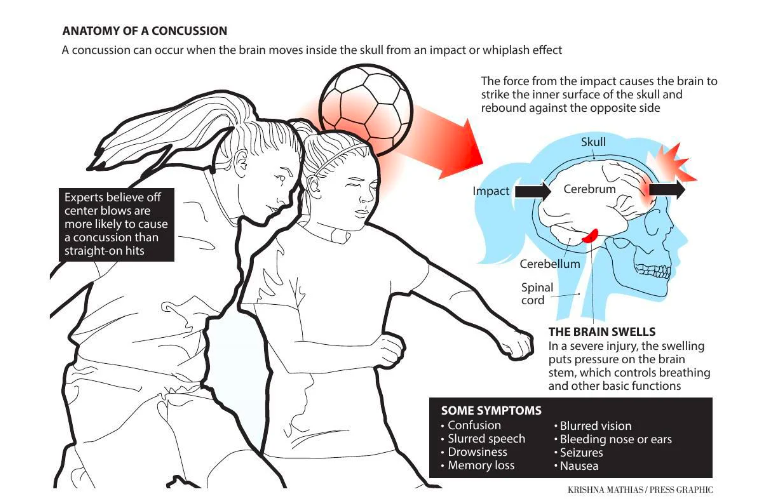
Press of Atlantic City; KrishnaMathiasArt.com
Concussion results from an impact to the head that impacts the brain. Once impacted, the brain (which is made of fragile, squishy, jelly-like tissue) stretches and bruises, damaging nerve cells and blood vessels and causing a cascade of chemical changes to occur. The damage and chemical disruption results in an acute, temporary loss of normal brain function. When this injury happens to a person participating in an athletic activity or sport, it is considered a “Sport-Related Concussion.”
POST-CONCUSSION SYNDROME (PCS)
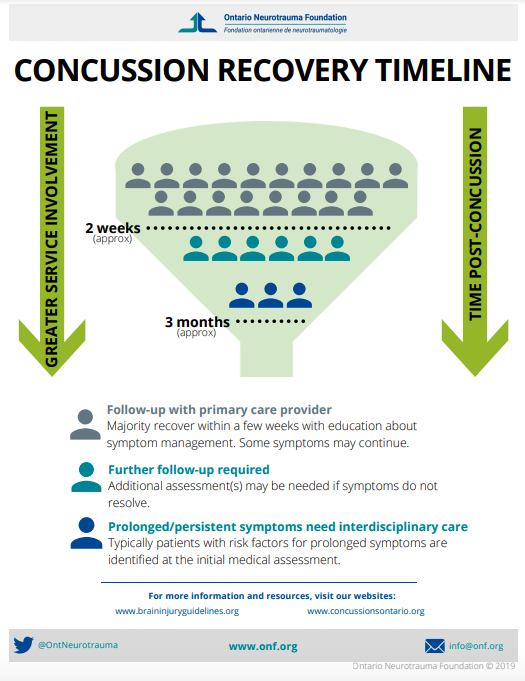
According to some researchers, most children recover from concussion within 4 weeks, while adults typically recover within 2 weeks. A single concussion does not usually result in permanent brain damage. As long as another concussion does not occur shortly after the first one, most athletes do not experience ongoing clinical or cognitive symptoms (Parachute, 2017; Cleveland Clinic, 2020).
However, even after a single concussion, 15-30% of individuals do not fully recover within the expected timeframe. This is often referred to as Post-Concussion Syndrome (PCS) (McCrory, 2017), Persistent Post-Concussion Syndrome (PPCS), or, in sport, Persisting Symptoms after Sport-Related Concussion (Herring et al., 2021). Typically, by 1 to 3 months post-concussion, if concussion symptoms persist, a trained health professional will monitor the athlete more closely, make appropriate referrals for further assessment, and ultimately may diagnose the athlete with Post-Concussion Syndrome.
PCS AND ACQUIRED COGNITIVE-COMMUNICATION DISORDER (ACCD)
Of the various symptoms that may persist past the expected concussion recovery timeframe, concussed athletes may experience ongoing challenges with cognition and communication, termed “Acquired Cognitive-Communication Disorder” (ACCD) (Ontario Neurotrauma Foundation 2017).
Communication is a highly complex process that relies on the proper, intact functioning of many regions of the brain so that a person can read, write, talk, listen and socialize properly. ACCD is a communication difficulty caused by underlying deficits in cognition. In an athlete’s case, a Sport-Related Concussion may lead to ACCD.
The communication difficulties can include problems with listening, understanding spoken language, speaking, reading, writing, conversational interaction and social communication. These difficulties may occur as a result of underlying issues in areas of attention, memory, information processing, reasoning, problem solving, executive functions or self-regulation (Ontario Neurotrauma Foundation 2017). For many concussed individuals, they report feeling “dumb” long after their brain injury, when in fact they may be suffering from ACCD.
ACCD can hinder one’s ability to efficiently and effectively do activities of daily living, as well as academic and work performance. Complex, fast-paced, cognitively-heavy tasks in certain sports (for example, strategic plays in football) may also be difficult.
There are numerous examples of how ACCD issues may manifest following concussion. Often, lingering cognitive-communication challenges are only noticed after the concussed person physically feels better. They return to regular activity, but then struggle with complex, fast-paced or new cognitive-based tasks and demands. For example, a concussed football quarterback struggling with memory may experience difficulty recalling short-term or long-term information, difficulty remembering details of conversations, or difficulty learning new information to efficiently complete high-level, strategic plays on the field.
WHAT SHOULD AND CAN BE DONE ABOUT ACCD?
PCS and resulting ACCD may impact an athlete’s ability to perform their regular cognitive-communication related tasks of daily life, school, work or sport. So, it is important to flag ACCD early so that the appropriate supports can be put into place and training/rehabilitation can be initiated to optimize recovery.
When working with a team of professionals managing Post-Concussion Syndrome, it is crucial to involve a speech-language pathologist (Ontario Neurotrauma Foundation, 2017). Speech-language pathologists are allied health experts who have unique training in areas of cognition and communication. They work closely with physicians, neuropsychologists, occupational therapists and physiotherapists to assist athletes improve their skills for all aspects of daily life.
Given the impact of concussions globally, it is important for anyone involved in sport to be aware of the exceptions to the typical concussion experience. That is, what if an athlete is not recovering fully and fast enough in all aspects of functioning? Does the athlete struggle with ACCD and need more help?
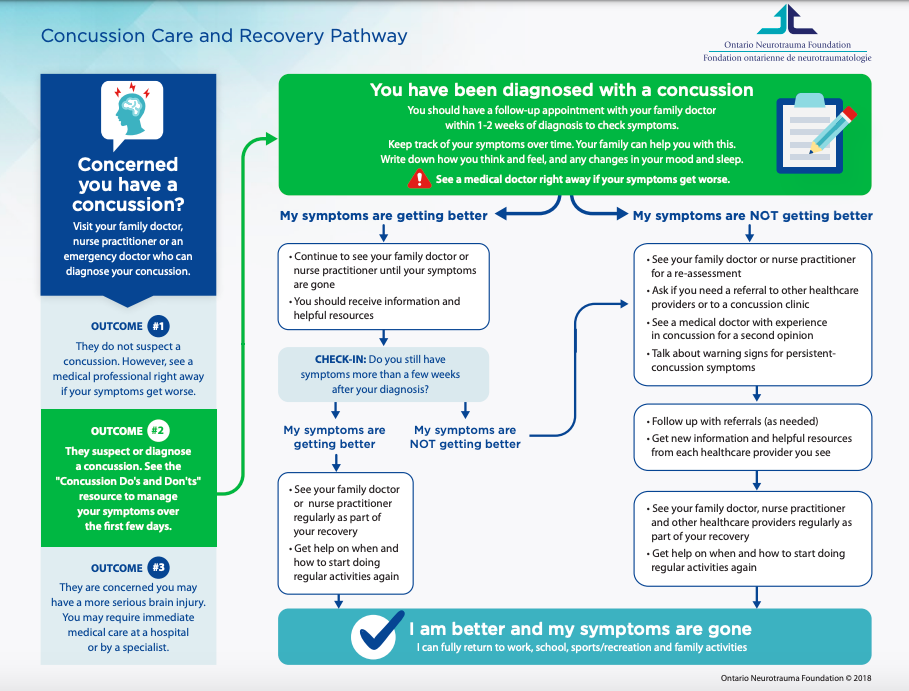
If persistent post-concussion symptoms are suspected following a sport-related concussion, ensure ongoing proper concussion management by involving the right health professionals as early as possible, and this should include speech-language pathologists. Doing so will help to optimize the athlete’s recovery and improve the cognitive and communication skills needed for all aspects of daily life.
About the Author(s)
Kerry King is the owner of Connect Speech Therapy and has worked as a speech-language pathologist for more than a decade. She helps adolescents and adults improve their communication, cognition and swallowing abilities. Her work includes helping brain-injured individuals, such as concussed athletes, address their cognitive-communication capabilities.
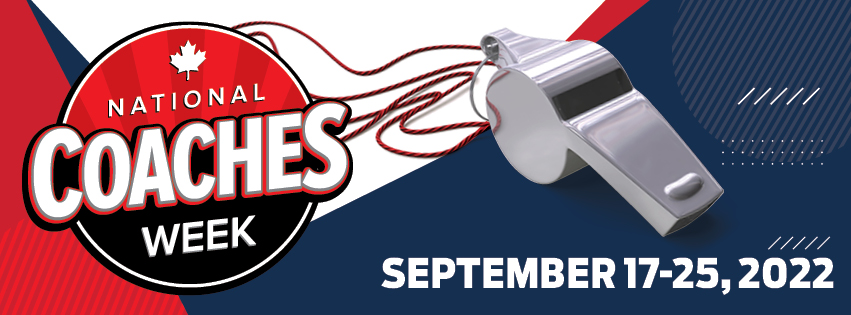
Saturday, September 17th is the start of National Coaches Week! Coaches can diversify their coaching knowledge with FREE or discounted NCCP education from September 17-25.
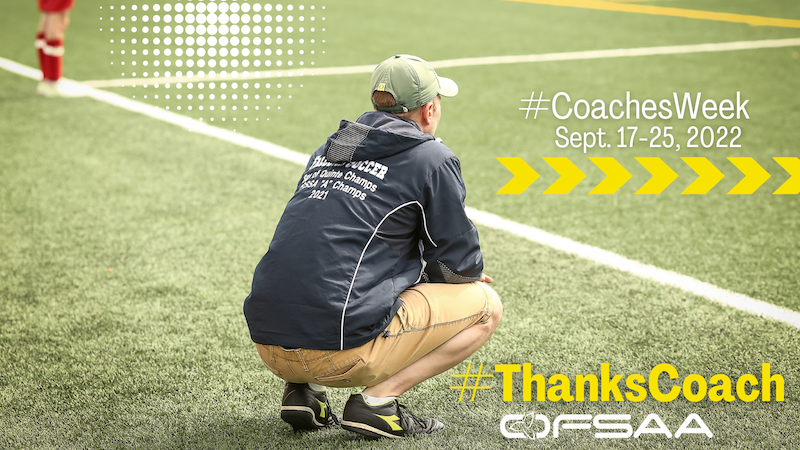
Each year, thousands of people across Canada take part in National Coaches Week to say #ThanksCoach for their time, effort and generosity.
How you can take part:
Explore the Participation Guide: The National Coaches Week Participation Guide contains everything you need to make National Coaches Week a success for your coach, team, and organization.
Enjoy FREE or discounted NCCP education: During National Coaches Week, coaches can diversify their coaching knowledge with free or discounted NCCP education. Connect with your local P/TCR, or National Sport Organization to learn more about their National Coaches Week events, or log into the Locker to access specific eLearning modules for free from September 17 – 25, 2022.
Say #ThanksCoach on social media: Follow National Coaches Week on Facebook, Twitter, and Instagram using #CoachesWeek and #ThanksCoach. You can also use the National Coaches Week Facebook profile frame throughout the week to show your support.
Join a community event: Organize a community event to say #ThanksCoach, or join one taking place in your province or territory.
In addition to using the #ThanksCoach hashtag online during National Coaches Week, we encourage all athletes, participants, parents and friends to say ‘Thanks, Coach!’ in real life too – all year round!
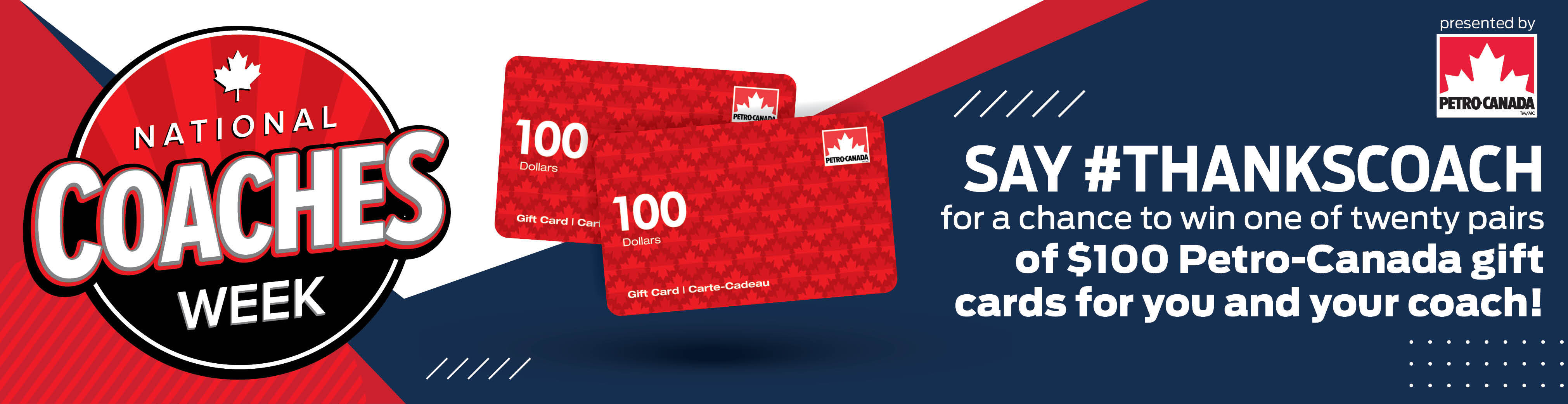
CONTEST: Enter to win a pair of $100 Petro-Canada Gift Cards for you and your coach!
We’ve teamed up with Petro-Canada to recognize and celebrate coaches from coast to coast to coast. Join us to say #ThanksCoach for a chance to win one of twenty pairs of $100 Petro-Canada gift cards for you and your coach!
It’s easy to participate – just follow these three steps!
Share an Instagram post between September 17 at 12:01am ET and September 25 at 11:59pm ET
Include #ThanksCoach or #MerciCoach in your post
Include #PetroCanada in your post
Don’t have Instagram? Eligible Entrants may also submit an entry for the contest by mail or by email. Visit the contest page for entry details and rules and regulations. (No purchase necessary. Open to residents of Canada who are age of majority or older in their province/territory of residence. Official rules available at http://coach.ca/NCWPetro-Canada.)
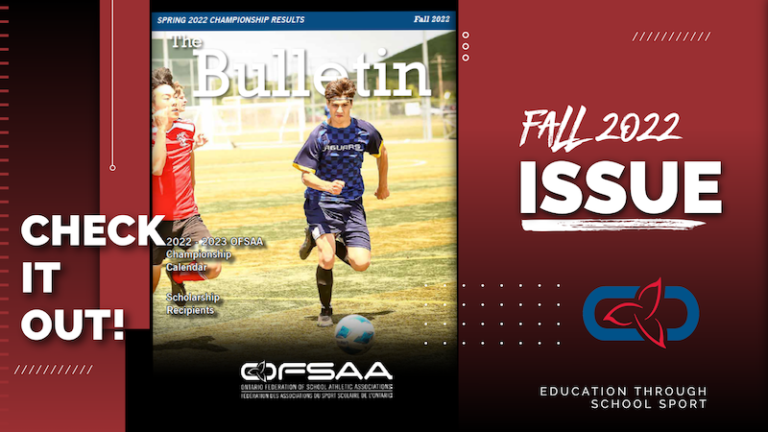
The latest issue of the OFSAA Bulletin Magazine is here!
We have the 2022 spring championships and festivals covered. Be sure to check out the fun team championship photos and all of the winning results from events which occurred in May and June across the province.
Interested in our 2022-23 championship and festival event calendar? Find it, along with so much more, in this issue! Just scroll across this page to start reading our online version.
Did you know? The best way to prevent concussions is to talk about them. As a coach, it’s your role to talk with your team about concussion awareness and to take the mandatory concussion course for all NBIAA coaches: https://coach.ca/making-head-way-concussion-elearning-series…
With delegations arriving throughout the day, the 2022 edition of the ISF event She Runs – Active Girls’ Lead has officially begun.
The largest international event promoting schoolgirls’ participation and leadership in and through sport will see participants engage in a variety of activities throughout this week, from the 12th – 17th September.
Discover what lies ahead for the participating delegations by visiting the official ISF webpagewww.sheruns.eu
During this year’s She Runs, there will be livestreams and video content readily available throughout.
As well as our social media platforms, v
isit the newly created ISF TV platform where you will be able to find more video content throughout the event, and can also be accessed through the She Runs webpage.
About the New Brunswick Interscholastic Athletic Association (NBIAA) The NBIAA is the governing body of high school sports, where we create, promote and facilitate positive sporting experiences in an educational environment in the province of New Brunswick. We are an association made up of 76 public and private member schools and offer 16 sporting activities to approximately 16,000 student-athletes. The NBIAA office is located in Fredericton, New Brunswick.
Job Objective The Administrative Assistant reports to the Executive Director and to the Executive Committee and is responsible for the coordination and management of a variety of administrative functions for the association.
Responsibilities Maintains the financial records of the Association, which includes all account debits and credits, financial budget and year-end review. Coordinate meeting logistics and keeps accurate minutes to be circulated to all members. Types, proofreads and translates correspondence, forms and other documents. Responds to incoming requests, inquiries and correspondence from our members in an appropriate and professional manner. Coordinate the purchasing and distribution of awards and publications. Ability to communicate effectively with the Executive Director and to keep them informed of information that impacts the association, its members and its programs. Assists in the maintenance of the Association’s website. Supports and assists the Executive Director in sports administration tasks and projects. Other administrative related duties as assigned.
Essential Qualifications Graduate of a recognized Business / Office Administration Program or equivalent. Minimum of two (2) years’ experience in office administration. Excellent administrative, organizational and time management skills. Excellent verbal and written communication skills required in both English and French (Advanced +). Computer literacy and strong keyboarding skills.
Preferred Assets Technological competent in Microsoft Office, Sage Accounting Software and social media platforms. Detail oriented and works with a high degree of accuracy. Ability to multitask and prioritize in an environment with multiple deadlines and concurrent activities. Must be able to take initiative and to complete projects with limited supervision.
This is a full-time position starting September 2022 with a work schedule of 40 hours per week and is located in Fredericton, NB. The starting salary range is between $40,000 to $45,000 based on qualifications and experience, with 6-8 weeks’ vacation, plus medical & dental benefits. NBIAA employees are not participants in the NB Government Pension System.
Qualified individuals must submit a concise cover letter and resume outlining salary expectations, employment experiences, educational qualifications and names of three work related references with telephone numbers to the NBIAA – ASINB Executive Director by email: nbiaa@gnb.ca as soon as possible. Only candidates who have been selected for an interview will be contacted.
AFFICHAGE DE POSTE
Adjointe administrative ou adjoint administratif
À propos de l’Association sportive interscolaire du Nouveau-Brunswick (ASINB) L’ASINB est l’organe directeur du sport dans les écoles secondaires, au sein duquel nous créons, encourageons et facilitons les expériences sportives positives dans un cadre éducatif au Nouveau-Brunswick. Nous sommes une association sportive composée de 75 écoles membres des secteurs publics et privés. Nous offrons à quelque 16 000 élèves-athlètes la possibilité de participer à 16 disciplines sportives. Le bureau de l’ASINB est situé à Fredericton, au Nouveau-Brunswick.
Objectif du poste L’adjointe administrative ou l’adjoint administratif relève de la directrice générale et du comité exécutif. Elle ou il est responsable de la coordination et de la gestion de diverses fonctions administratives de l’Association.
Responsabilités Tenir les registres financiers de l’Association, ce qui inclut tous les débits et crédits de compte, le budget financier et l’examen de fin d’année. Coordonner la logistique des réunions et rédiger des comptes-rendus précis qui seront distribués à tous les membres. Taper, relire et traduire la correspondance, les formulaires et autres documents. Répondre aux demandes, aux requêtes et à la correspondance de nos membres de manière appropriée et professionnelle. Coordonner l’achat et la distribution des prix et des publications. Avoir la capacité de communiquer efficacement avec la directrice générale et à la tenir informée des renseignements qui ont une incidence sur l’Association, ainsi que les membres et les programmes de cette dernière. Contribuer à la mise à jour du site Web de l’Association. Soutenir et aider la directrice générale dans les tâches et projets liés à l’administration des sports. Effectuer d’autres tâches administratives connexes, selon les besoins.
Compétences de base Grade, diplôme ou expérience équivalente en administration des affaires ou de bureau; Minimum de deux (2) ans d’expérience en administration de bureau; Excellentes compétences en matière d’administration, d’organisation et de gestion du temps; Excellentes aptitudes à la communication orale et écrite requises en anglais et en français (niveau avancé +). Connaissance de l’informatique et solide maîtrise du clavier.
Atouts privilégiés Avoir les compétences technologiques dans l’utilisation de Microsoft Office, du logiciel de comptabilité Sage et des plateformes de médias sociaux. Avoir le souci du détail et travailler avec un haut degré de précision. Avoir la capacité d’effectuer plusieurs tâches en même temps et d’établir des priorités dans un contexte où les échéances sont multiples et les activités sont simultanées. Être capable de prendre des initiatives et de mener à bien des projets dans le cadre d’une supervision limitée.
Il s’agit d’un poste à temps plein qui commence en septembre 2022 avec un horaire de travail de 40 heures par semaine. Le titulaire du poste travaillera à Fredericton, au Nouveau-Brunswick. L’échelle salariale initiale se situe entre 40 000 $ et 45 000 $ selon les compétences et de l’expérience; six à huit semaines de vacances sont offertes, ainsi qu’un régime d’avantages sociaux pour les soins médicaux et dentaires. Les employés de l’ASINB ne participent pas au régime de retraite dans les services publics du Nouveau-Brunswick.
Les personnes qualifiées sont invitées à présenter une lettre d’accompagnement et un curriculum vitæ concis décrivant leurs attentes salariales, leur expérience professionnelle, leur formation ainsi que le nom et le numéro de téléphone de trois personnes pouvant fournir des références professionnelles. Prière d’envoyer le tout à la directrice générale de l’ASINB par courriel à nbiaa@gnb.ca dès que possible. Seules les personnes sélectionnées pour une entrevue seront contactées.